4 Hotel Lighting Design Tips & 8 Room Layout Guide
Creating a memorable guest experience starts long before check-in. While service and cleanliness are essential, the lighting design of a hotel room can make or break a guest’s stay. Whether you are designing a luxury resort or a boutique hotel, mastering the art of light is key to comfort, functionality, and brand identity.
In this guide, we explore professional hotel lighting techniques and practical layout advice to help you create inviting, flexible, and energy-efficient spaces.
4 Essential Types of Hotel Lighting
1. Ambient Lighting – The Foundation of Comfort
Ambient lighting provides the overall illumination needed for safe movement and general visibility. In hotel rooms, aim for 100–200 lux.
Use diffuse light sources like cove lighting or wall-washing fixtures to create a soft, welcoming glow. Vertical surface lighting helps define space boundaries and makes rooms feel larger.
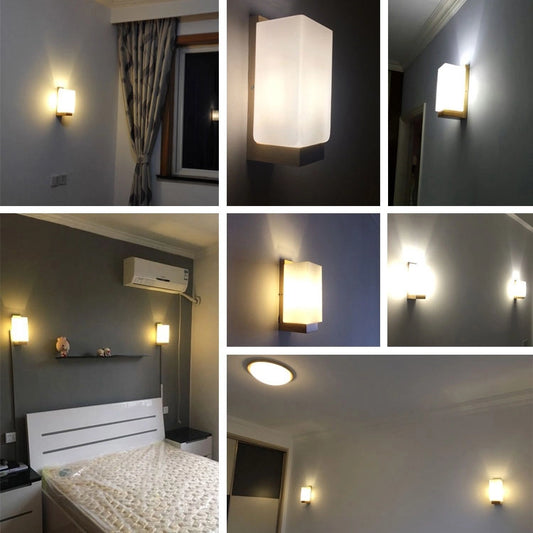
💡 Tip: Use wall lights to highlight feature walls while maintaining a relaxed atmosphere.

2. Task Lighting – Focus Where It Matters
Task lighting delivers higher illumination for specific activities such as reading, working, or applying makeup. Recommended levels: 300–600 lux.
Avoid harsh shadows or glare. A well-placed desk lamp or a pendant light above the reception desk is a perfect example of functional yet stylish task lighting.
💡 Ratio Tip: Keep task-to-ambient contrast at 3:1 for comfortable visual transition

3. Accent Lighting – Drama & Depth
Accent lighting draws attention to artwork, architectural features, or textured surfaces. It adds depth and visual interest.
The recommended ratio of accent to ambient light is 5:1. Darker objects may require higher ratios to reveal detail.
⚠️ Caution: Overuse of accent lighting can clutter the visual field. Use sparingly for maximum impact.

4. Decorative Lighting – Style Meets Function
Decorative lighting serves dual purposes: enriching the lighting layers and enhancing interior design. Common fixtures include:
- Chandeliers
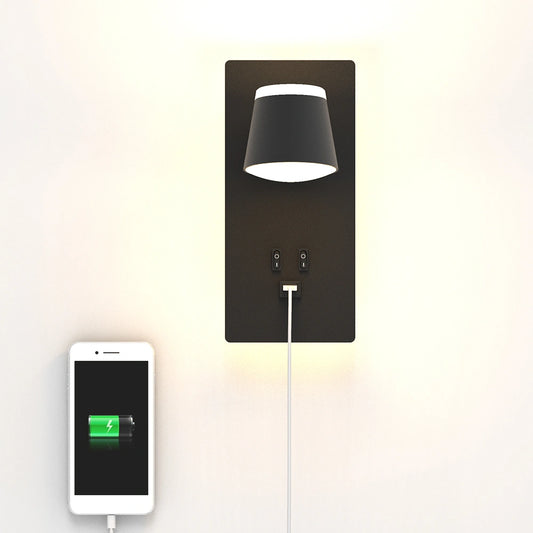
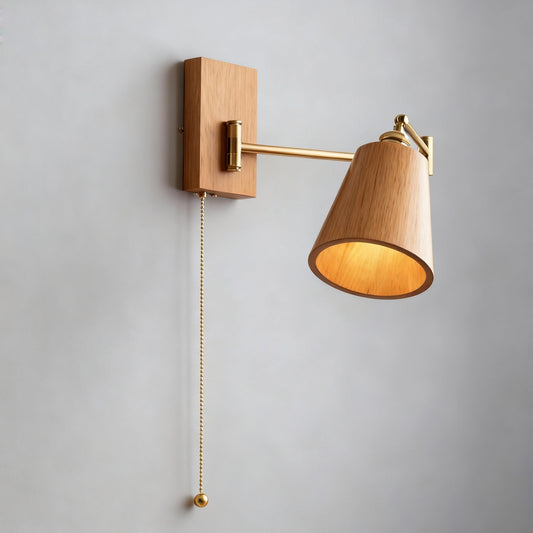
- Wall sconces
- Floor lamps
- Table lamps
These elements reinforce your brand’s style and create a cohesive aesthetic throughout the property.

8 Expert Tips for Hotel Room Lighting Layout
1. Consult a Professional Lighting Designer
Don’t leave lighting to electrical engineers alone. A dedicated lighting designer ensures that every fixture aligns with your interior concept, creating a seamless first impression.
2. Adapt to Open-Plan Spaces
Modern hotels combine lobbies, dining areas, and lounges into one fluid space. Use zoned lighting to adapt to different functions—bright and crisp for breakfast, warm and dim for evening cocktails.
3. Stay True to Your Original Design Concept
Every fixture should support your overall design language. Whether minimalist or opulent, consistency in lighting reinforces brand identity.
4. Don’t Forget Transitional Spaces
Corridors are often overlooked, but they connect all areas. Avoid abrupt changes in color temperature between zones to ensure smooth visual adaptation for guests.
5. Make Room Lighting Flexible
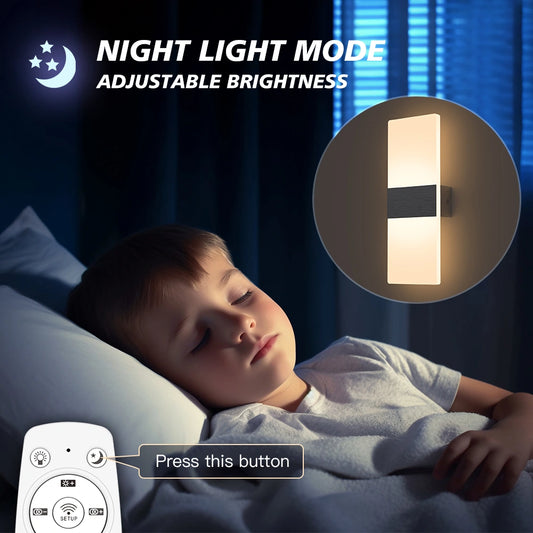
A single room serves multiple purposes. Offer guests control over brightness and mood through dimmers or smart systems. Separate controls for bathroom and living areas allow privacy without sacrificing openness.
6. Keep Controls Simple
Nothing frustrates a guest more than a confusing switch panel. Consider smartphone-based controls via QR codes or apps—no downloads required. Convenience is king.
7. Maximize Natural Light
Rooms without windows are a thing of the past. Natural daylight boosts mood, reduces energy use, and increases room appeal. Whenever possible, incorporate large windows or skylights.
8. Implement Smart Lighting Systems
Smart lighting saves energy and enhances comfort. Features like motion sensors, daylight harvesting, and HVAC integration optimize both guest experience and operating costs.

Great hotel lighting is invisible when done right—but unforgettable when done wrong. By layering ambient, task, accent, and decorative light, and by following these layout principles, you can transform any hotel room into a sanctuary of comfort and style.
Start planning your next project with confidence, and let your lighting speak for your brand.
Would you like us to introduce you to some hotel lighting designs? Contact us to get more information.