Why Your Pendant Light Choice Defines the Whole Living Room
- Use the sum of room length and width (in feet) as the chandelier diameter in inches.
- Choose warm white 2700K–4300K to create a cozy feel.
- Combine overall, local, and accent lighting for flexibility.
- Avoid exposed bulbs to prevent glare.
- Prioritize fixtures that are easy to install, clean, and maintain.
Use the sum of room length and width (in feet) as the chandelier diameter in inches. Choose warm white 2700K–4300K to create a cozy feel. Combine overall, local, and accent lighting for flexibility. Avoid exposed bulbs to prevent glare. Prioritize fixtures that are easy to install, clean, and maintain.
The living room is the front door of your home's atmosphere. The right pendant light does far more than "light up the room" – it sets the mood, anchors the seating area, and quietly announces your decorating taste the moment someone walks in.
Get it wrong and you feel it every evening: a glare that strains the eyes, a fixture that dwarfs the sofa, or a warm "cozy" bulb that actually makes the space look dim and dated. This guide walks through the same decision framework lighting designers use, so you can choose a pendant light for your living room with confidence.
Quick take: start with three facts – your room's square footage, your ceiling height, and the feeling you want (cozy, crisp, or dramatic). Everything else in this guide follows from those three.

Step 1: Plan Your Layered Lighting, Not Just One Fixture
Ambient (General) Lighting
Ambient lighting is the overall glow that lets you move through the room safely. In most living rooms, a pendant or chandelier hung near the center provides this base layer. It creates a stable, welcoming environment – the kind of warm, generous light that makes guests feel at home.
How you choose it depends on size and proportion:
- Small or irregularly shaped rooms (around 10–15 m²): a flush-mount or semi-flush ceiling light is usually cleaner and more proportional than a long-drop pendant.
- Large, tall living rooms with high ceilings: you have the freedom to choose a statement pendant or multi-light chandelier that matches your age, taste, and preferred lighting style.
A simple rule many designers use: the pendant's diameter (in inches) should be roughly the room's width plus length (in feet). A 4 m × 5 m room ≈ 13 ft × 16 ft → a fixture around 29 inches (≈74 cm) across is a sensible starting point. Adjust up or down for ceiling height and furniture scale.
Pro tip: hang the pendant so its bottom is roughly 30–36 inches (75–90 cm) above the tallest surface below it – usually a coffee table. This clears sightlines across the room and avoids that "chandelier in the forehead" feeling.
Task and Accent Lighting
A pendant is rarely enough on its own. Layer it with light you can direct where you actually need it:
- Floor lamps: a tall floor lamp next to the sofa is ideal for reading or watching TV. Switch off the ceiling pendant and use the floor lamp alone – no harsh glare, just a calm, intimate corner.
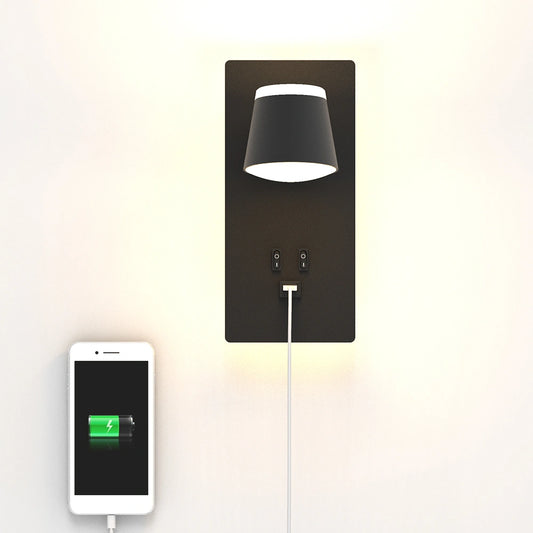
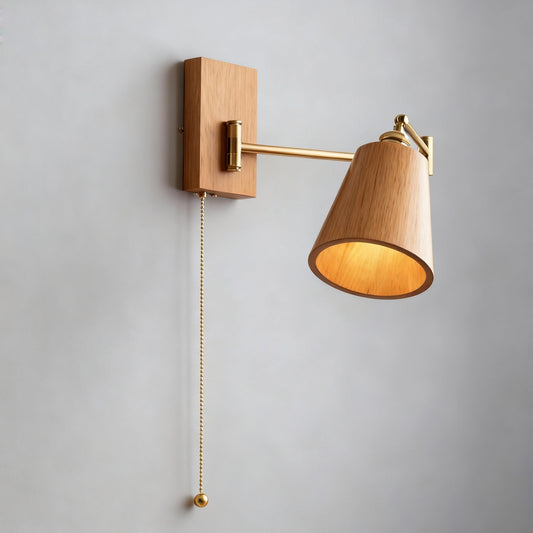
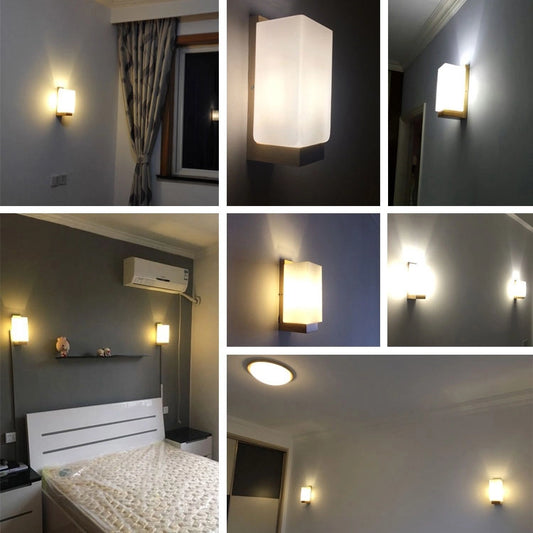
- Wall sconces: flanking a piece of art or a wall hanging with two matching sconces adds symmetry and a touch of refinement.
- Table lamps: on side tables for close-up task light and warm pools of light in the evenings.
Think of it as a dimmer-able toolkit: all lights on for a full, lively room; just one lamp for a quiet conversation. This flexibility matters because every home uses its living room differently – many double as dining areas or home offices, so your lighting needs to adapt.

Step 2: Match Style and Finish to Your Decor
When it comes to shape and finish, the goals are simple: coordinate with the room's atmosphere, and lean toward tasteful rather than flashy. The living room is your home's "public face," and the lighting sends a signal.
- Too plain: the space looks unfinished and under-decorated.
- Too opulent: guests may feel stiff or self-conscious in the room.
A good middle ground is a fixture whose material and tone already exist elsewhere in the room – brushed brass repeated in a picture frame, black iron echoed in furniture legs, or clear glass that "disappears" into a minimalist space. That quiet repetition is what makes a room feel designed rather than decorated.
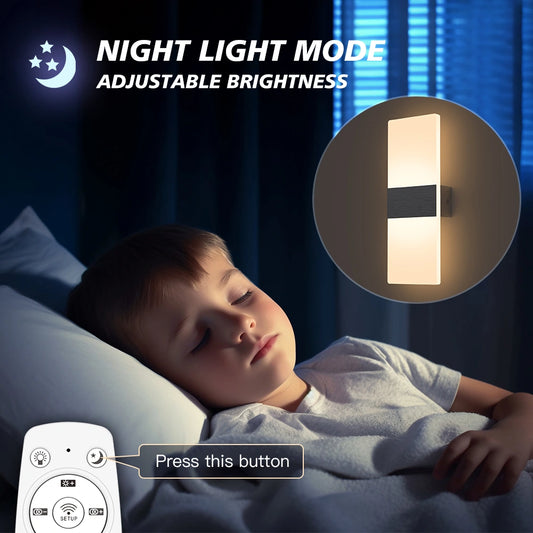
When the room is quiet and only a few people are around, consider turning off the main pendant and leaving one wall sconce or floor lamp on. It is the modern, low-effort version of the "candlelight dinner" mood – warm and atmospheric without the actual candles.

Step 3: Get the Color Temperature and Light Quality Right
This is the single most overlooked factor, and it changes everything about how the room feels in photos and in real life.
| Color Temperature | Approx. Kelvin | Best Use in a Living Room |
|---|---|---|
| Warm white | 2700K–3000K | Most living rooms. Cozy, relaxing, flattering to skin tones. |
| Neutral / warm neutral | 3500K–4300K | Modern or multi-use rooms that need a bit more clarity. |
| Cool white | 5000K+ | Generally too clinical for a living room; avoid here. |
For a pendant light, aim for a warm tone in the 2700K–4300K range. It gives the room a gentle, homely warmth and brings out the rich colors in wood, textiles, and furniture. Anything cooler tends to make a living room feel more like a workspace.
Want to highlight a statement pendant? Pair a warm 2700K bulb with a dimmer. You get a bright, welcoming room when needed and a soft, candle-like glow in the evenings – all from one fixture.

Step 4: Choose the Right Light Distribution
The way a pendant spreads light depends on its construction and shade design. Understanding the five common distribution types helps you pick the atmosphere you actually want:
- Direct lighting: light shines straight down. Great over a coffee table or for a dramatic pool of light, but can feel harsh.
- Semi-direct lighting: most light goes down, some spills upward. A balanced, everyday choice.
- Indirect lighting: light bounces off the ceiling first, creating a soft, glare-free wash. Ideal for low ceilings.
- Semi-indirect lighting: mostly upward with a little downward light. Elegant and gentle.
- Diffused lighting: light passes through an opaque or translucent shade in every direction. Even and comfortable, perfect for ambient light.
Match the type to your layout and taste, and you can design a different mood for every part of the day without changing a single bulb.
7 Practical Buying Tips (At a Glance)
- Reflect the room's layers and depth. Your overall lighting and fixture mix should reveal the room's contour, sense of space, and the three-dimensional color of your furniture.
- Avoid exposed-bulb fixtures that glare. Naked light sources create uncomfortable glare. Choose a shade or diffuser that softens the light.
- Keep the structure simple and installation easy. A simpler build means easier mounting, cleaning, and day-to-day maintenance.
- Choose 2700K–4300K warm light. It creates that unmistakable, inviting home atmosphere.
- Pick the right distribution type. Direct, semi-direct, indirect, semi-indirect, or diffused – each produces a different mood.
- Size it to the room and ceiling. Use the width + length rule above, and check the hanging clearance.
- Plan for dimmability. A dimmer turns one fixture into many "scenes" – bright for gatherings, soft for evenings.
Pendant Type Quick-Compare
| Pendant Type | Best Room Size | Ceiling Height | Key Benefit |
|---|---|---|---|
| Single pendant | Small to medium | Standard (2.4–3m) | Simple, clean focal point |
| Multi-light chandelier | Large, open-plan | High (3m+) | Dramatic statement, wide spread |
| Cluster / multi-drop | Medium to large | Medium to high | Custom, sculptural look |
| Semi-flush mount | Small or irregular | Low to standard | Proportional, space-saving |
More Reading on Our Blog
Continue planning your full lighting scheme with these related guides.
Frequently Asked Questions
How big should a pendant light be for a living room?
Add the room's width and length in feet; the result in inches is a good starting diameter. For a 13 ft × 16 ft room, aim for about a 29-inch (74 cm) fixture. Scale up for high ceilings and down for compact rooms.
Can you put a pendant light in a room with low ceilings?
Yes – choose a semi-flush or shallow pendant rather than a long-drop chandelier, and make sure the bottom sits well above head height (about 7 ft / 2.1 m from the floor, or 30–36 in / 75–90 cm above furniture).
What color temperature is best for a living room pendant?
Warm white between 2700K and 3000K suits most living rooms. If you want a slightly crisper, more modern feel, 3500K–4300K is still comfortable. Avoid cool white above 5000K in this space.
Should a pendant light be dimmable?
In most cases, yes. A dimmer lets one fixture cover every scenario – bright for gatherings, soft for movie nights – which is exactly the flexibility a living room needs.

Ready to Find Your Pendant?
Now that you know what to look for, the fun part begins: choosing a fixture that feels like it was made for your room. Start with your room size and ceiling height, decide on a warm color temperature, and build the rest of your lighting around it.
Browse our curated pendant lights collection and use these tips as your checklist. Have a question about sizing or compatibility? Contact our lighting specialists – we're happy to help you get it right the first time.